

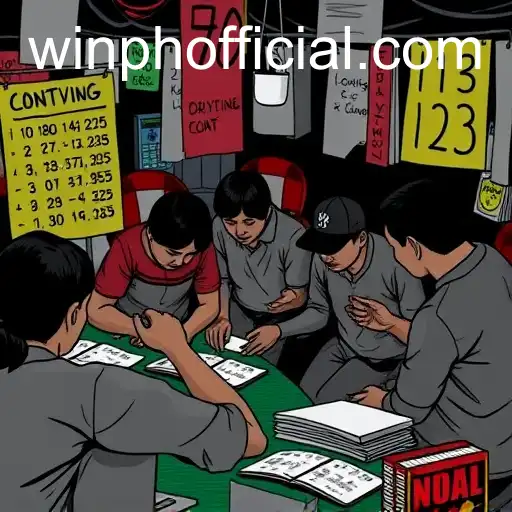

Jueteng, a term that resonates with many in the Philippines, represents more than just an illegal numbers game. It symbolizes a deep-seated cultural phenomenon interlinked with socio-political dynamics. This traditional lottery game, often operating in the shadows of legality, has weaved itself into the societal fabric, influencing both the everyday lives of individuals and the macro environment of political power.
At its core, Jueteng is a numbers game where participants wager on a combination of numbers. Players select from a set range, typically 1 to 37, and if their number combination is drawn, they stand to gain significant monetary rewards. Unlike government-sanctioned lotteries, Jueteng operates outside the purview of legal oversight, often managed by illegal syndicates with roots stretching back centuries.
The game’s accessibility is one of its primary attractions. Unlike formal gambling avenues, Jueteng does not require a physical ticket or entail travel to a particular location. Bets can be placed with a mere verbal promise or a small piece of paper, making it a preferred choice among the lower socioeconomic classes looking for a quick win or an escape from financial woes.
For many Filipinos, Jueteng isn't just a game; it's a part of everyday life. In regions where economic opportunities are scarce, Jueteng offers potential—albeit risky—financial relief. The lure of winning substantial sums of money with minimal investment holds a magnetic appeal, especially for those in economic distress.
However, the cultural embedment of Jueteng has deeper implications. It fosters a gambling culture that potentially prioritizes short-term gains over long-term financial planning. Regular participation can entrench individuals in cycles of hope and despair, affecting familial and communal relations.
No discussion of Jueteng is complete without addressing the political influences that both shape and are shaped by the game. Over the decades, Jueteng has been implicated in numerous political scandals, with allegations of officials accepting bribes to allow its continued operation. The revenues generated by the illicit trade form a substantial underground economy, often used to fund political campaigns or curry favor among voters.
This interplay between Jueteng and politics highlights issues of corruption and governance challenges within the region. As long as Jueteng syndicates continue to support political figures, efforts to eradicate the game remain challenging, if not impossible.
Attempts to curb Jueteng have seen various levels of intensity and success over the years. Law enforcement agencies face significant hurdles in dismantling well-entrenched syndicates, who often use their profits to arm themselves against raids or bribe officials for protection. The rise of modern technology has also seen syndicates adapt, employing sophisticated means to run operations discreetly.
Efforts to legalize and tax Jueteng, converting it into a regulated state-run lottery, have been put forward as potential solutions. Proponents argue that such measures could generate significant government revenue currently lost to the underground economy. However, detractors voice concerns about legitimizing gambling practices and deepening social addiction.
Public perception of Jueteng oscillates between acceptance as a harmless pastime and denouncement as a societal ill. For some communities, Jueteng represents communal engagement, a shared activity that, despite its illegality, generates local economic movement. On the other hand, social critics argue that Jueteng undermines moral values and encourages vice.
The Philippine Church and various civic groups have been vocal in their opposition against Jueteng, advocating for alternatives that uplift rather than exploit the poor. These perspectives underscore the complex social dimensions Jueteng encapsulates, beyond its immediate economic implications.
In recent years, the advent of digital technology has begun reshaping the Jueteng landscape. As smartphone penetration increases, there's growing potential for digital platforms to either proliferate the practice through mobile betting apps or for law enforcement innovation to counteract illegal operations through technological means.
As society progresses, the conversation surrounding Jueteng must evolve to address not only the dynamics of traditional gameplay but also the innovations of its modern variants. The interplay between technological advancements and traditional practices presents new challenges and opportunities in moderating the impacts of this entrenched numbers game.
The story of Jueteng is emblematic of larger issues within the structures of society, from governance and economic equity to cultural identity and progression. As these dynamics continue to unfold, the future of Jueteng remains intertwined with the overarching narrative of societal development and reform in the Philippines and beyond.

Dive into the exciting world of MrBao, a captivating game revolutionizing interactive entertainment. Discover its mechanics, strategies, and real-world applications for the winph experience.

Explore the captivating universe of FireChibi, a thrilling game blending strategy and adventure, and discover what makes the winph keyword significant in the gaming community.

Discover the captivating world of BanditBust, a strategy game that combines immersive storytelling and strategic gameplay, appealing to enthusiasts worldwide.

Discover the unique features, captivating gameplay, and strategic rules of CursedCanBonusBuy in this detailed article.

Explore the captivating universe of GoldOfEgypt, an enthralling game that combines intrigue, strategy, and the rich allure of ancient Egypt. Learn about its gameplay, rules, and the exciting opportunities it offers to players worldwide.

Dive into the exciting ambiance of HotRioNightsBonusBuy and discover the game's captivating features, rules, and the thrilling experiences it offers.
